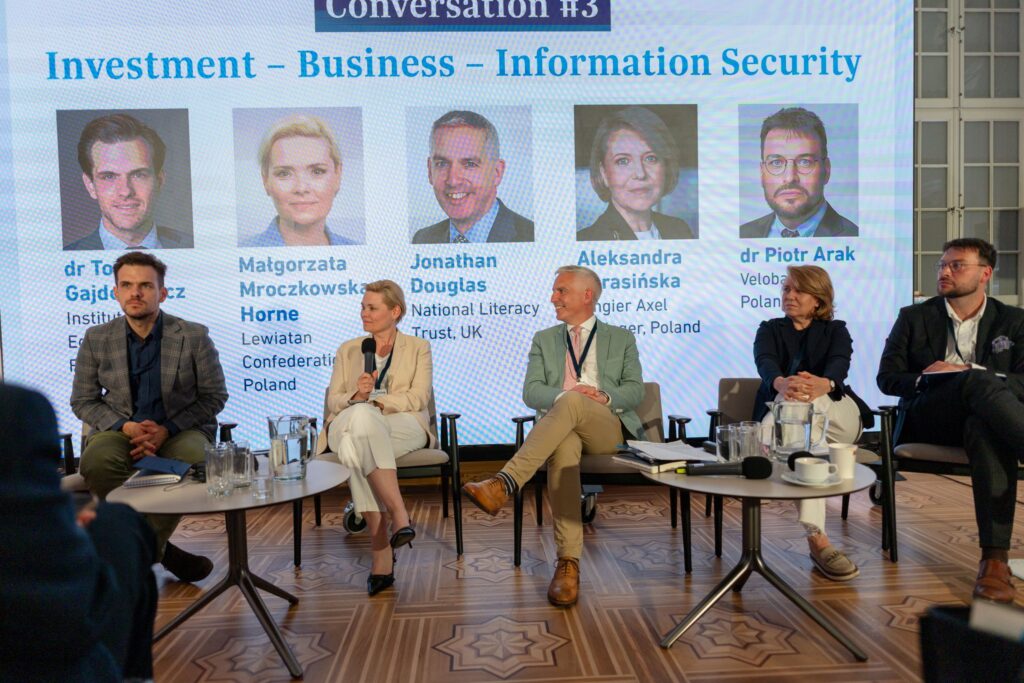



Dr. Piotr Arak
Chief economist at VeloBank, assistant professor at the Faculty of Economic Sciences at the University of Warsaw, and co-founder of the Polish Economic Institute. He had worked at the United Nations Development Programme, Polityka Insight, the Chancellery of the Prime Minister of Poland, and the Ministry of Administration and Digitization.

Jonathan Douglas
Expert in education and literature, Chief Executive of the National Literacy Trust, one of the UK’s leading reading promotion organizations. Formerly affiliated with the Fair Education Alliance and Every Child a Reader, and a member of the Booker Prize Advisory Committee. Initiator of the Literacy Business Pledge.

Dr. Tomasz Gajderowicz
Deputy director of the Institute for Educational Research. Advisor in the area of educational policies of governments, the World Bank, UNESCO, ETEC, the European Commission. Researcher of teaching methods, motivation and choices in education and work; linking the education sector to the labour market.

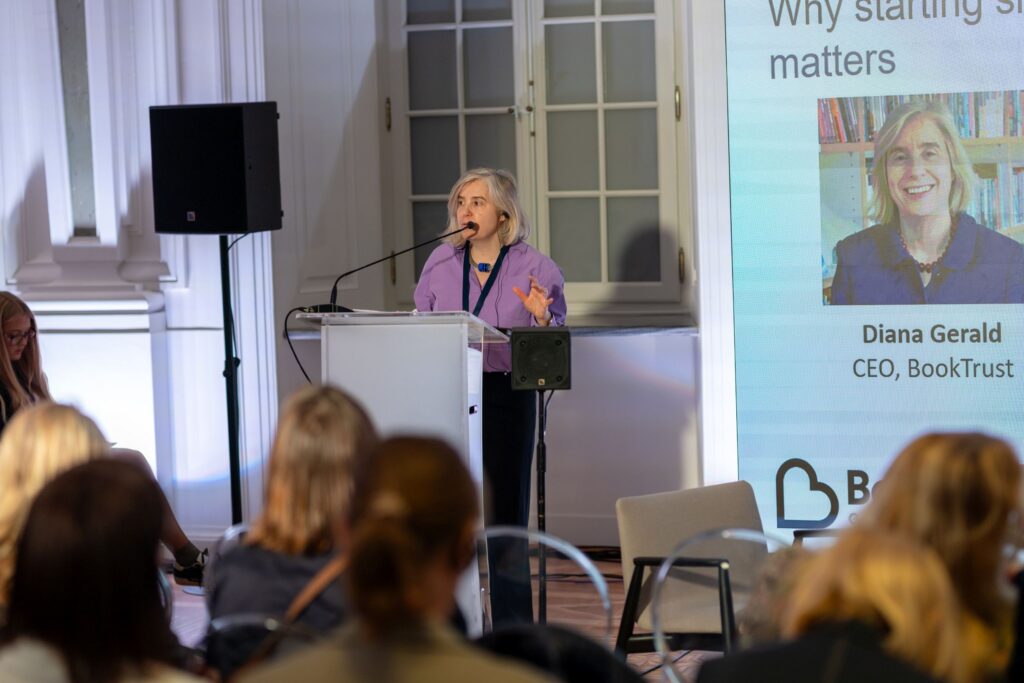
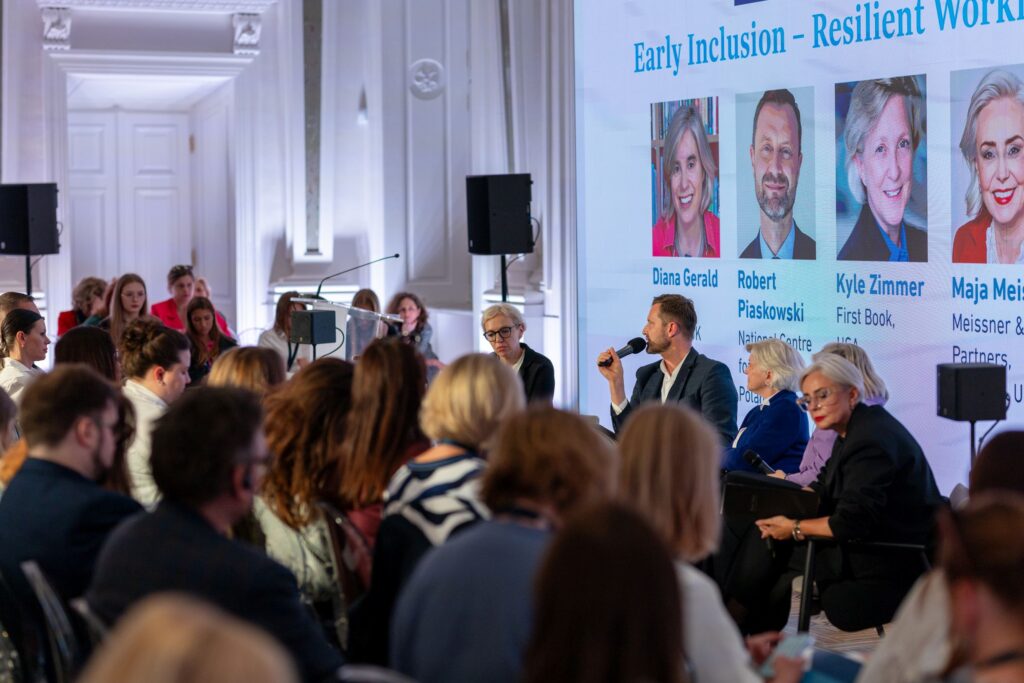
Diana GeralD
Head of the renowned british BookTrust – creator of BookStart – since 2015. Previously led ARK Schools and The Young Foundation, where she directed the Care4Care initiative supporting the elderly. She holds a degree in Philosophy, Politics, and Economics from Oxford University.

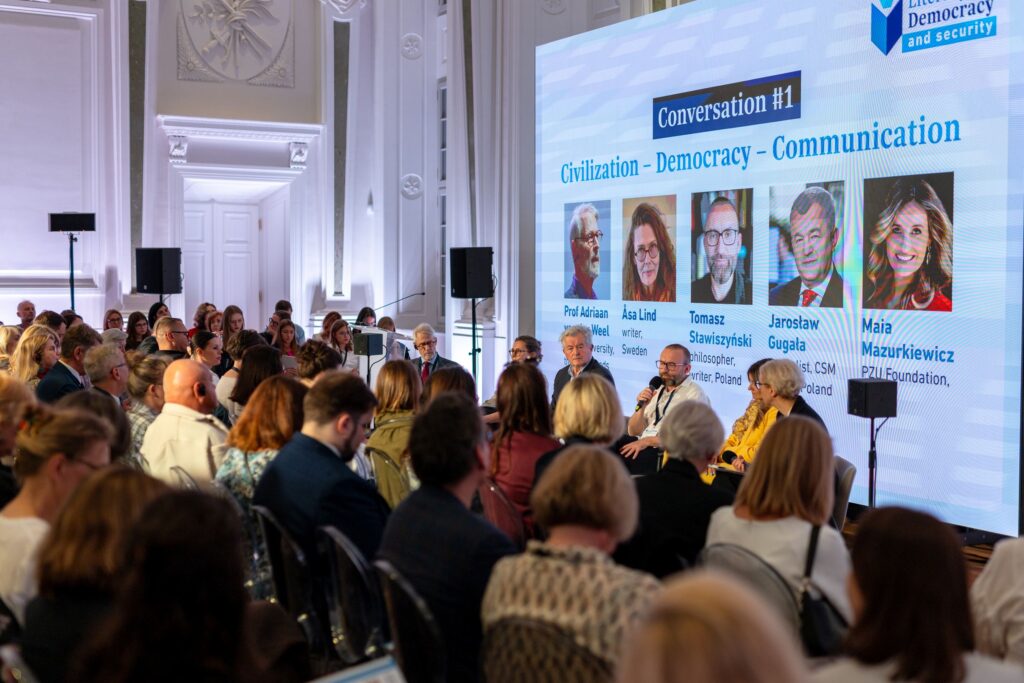
Jarosław Gugała
One of the most renowned journalists at Polsat, with which he has been associated for nearly twenty years. From 1990 to 1999, he worked with Polish Television (TVP). Between 1999 and 2003, he served as the Ambassador of the Republic of Poland to Uruguay, expert of Thinktank.

Aleksandra Karasińska
Journalist, co-founder of the news department at TVN24, currently Director of the Ringier Axel Springer Foundation. Founder and first Editor-in-Chief of Forbes Women Poland, as well as the newsweek.pl and forbes.pl platforms. Lecturer at SWPS University. Author of the book Why Feminism Pays Off.

Asa Lind
Swedish author of children’s and young adult books, best known for the Sand Wolf series, published in Poland by Zakamarki. Her work addresses important social issues and has received international acclaim. Lind is a strong advocate for reading as a tool to empower children and encourage a sense of agency.

Maia Mazurkiewicz
Expert in countering disinformation and strategic communication, with 15 years of leadership experience. Lawyer, President of the PZU Foundation, co-founder of Alliance4Europe, and author hosting the program Anatomy of Disinformation on TVP World.

Maja Meissner
Founder and Managing Partner of Meissner & Partners Executive Search and Leadership Development. Member of the Diversity Leadership Council at The Association of Executive Search and Leadership Consultants. As an investor she serves on the board of Smartschool (USA), and is one of the Univeral Reading Foundation’s Trustees.

Robert Piaskowski
Director of the National Centre for Culture; a literary scholar and sociologist, lecturer at Jagiellonian University, AGH University of Science and Technology, and SGH Warsaw School of Economics. Co-founder and Artistic Director of the Krakow Film Music Festival. Former Program Director of the Krakow Festival Office and Cultural Affairs Plenipotentiary to the Mayor of Krakow.

Tomasz Stawiszyński
Philosopher, essayist, writer, journalist, and columnist. Author of numerous books, including his most recent titles "Rules for a Time of Chaos" and "The Return of Fate". Creator of the podcast Skądinąd; regular columnist for Tygodnik Powszechny; and host of The Philosophers’ Hour on TOK FM radio.

Prof. Adriaan van der Weel
Emeritus extraordinary professor of Book Studies in the Faculty of Humanities, Leiden University. His research focuses on the digitalization of textual transmission and reading. He is co-author of the Ljubljana Manifesto on Higher Level Reading.

Małgorzata Mroczkowska-Horne
Director General of the Lewiatan Confederation, attorney-at-law, and expert in business law, particularly Polish and EU competition law. Specialist in gender equality in the labor market. Enthusiast and practitioner of new technologies, including digital solutions in the workplace. Member of the Warsaw Bar Association of Attorneys-at-Law and the Competition Law Association. Named among Forbes’ Top 25 Women Lawyers in Business (2024).

Kyle Zimmer
President and CEO of First Book which has built the largest community of adults working for children in low-income neighborhoods in the US, and serves this community through a research arm, a nonprofit marketplace and educational resources developed with leading experts. First Book has distributed 250 million books and is scaling to serve 27 million children annually.

Maria Deskur
Publisher, reading expert, collective impact practitioner. Long-time managing director of Egmont and Burda Books, president of the Universal Reading Foundation, the first Polish non-profit to get a Library of Congress Literacy Award; author of "The Superpower of Books. Handbook to Promoting Reading", Ashoka Fellow.