
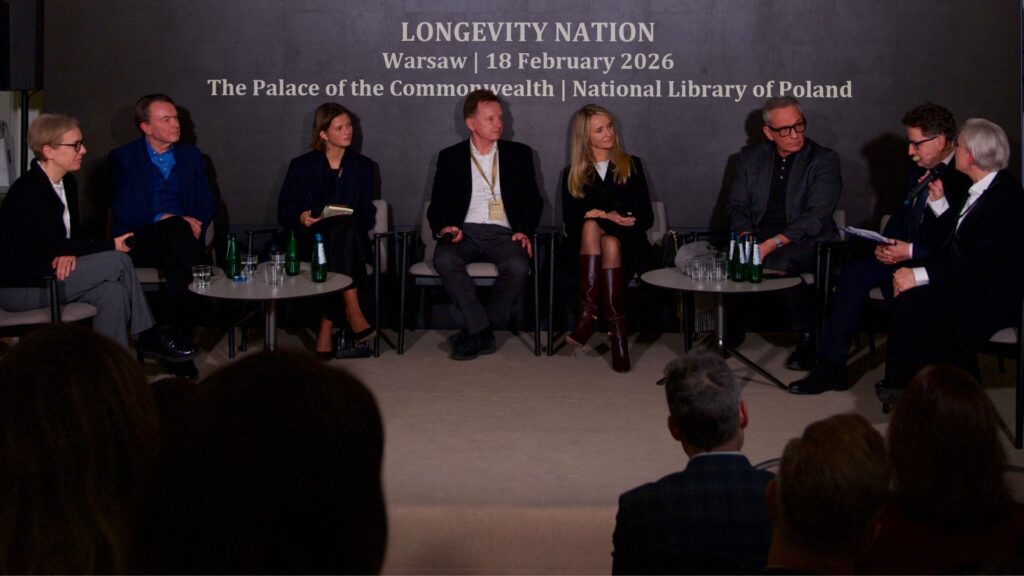
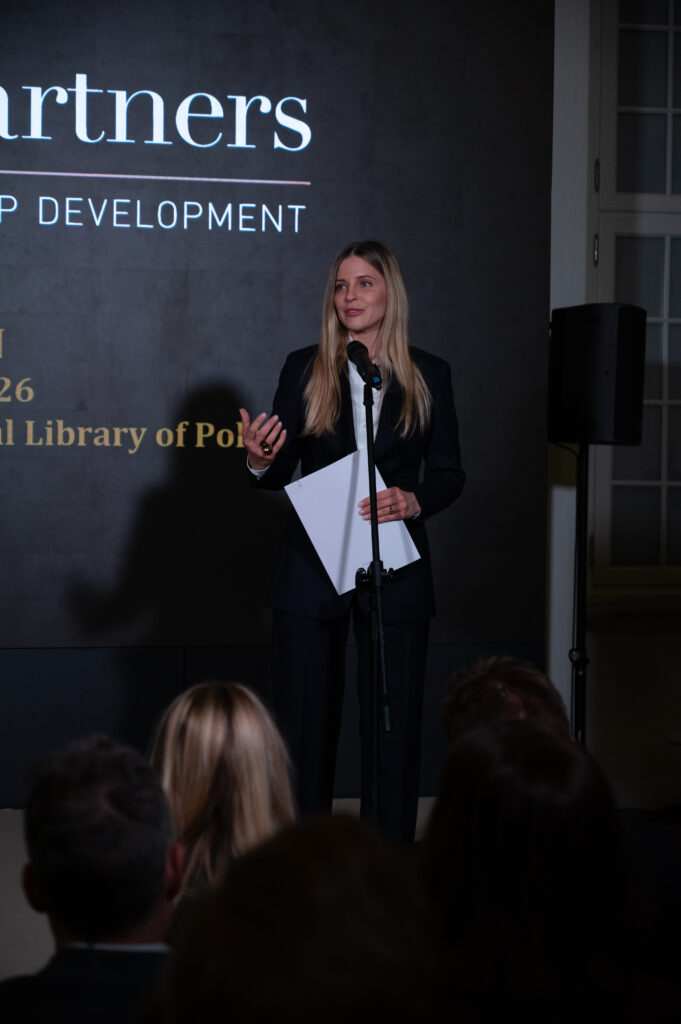
On 18 February, the Longevity Nation conference was held at the Palace of the Commonwealth, home of the Biblioteka Narodowa in Warszawa. The event focused on longevity as one of the key social and economic trends of the 21st century. It brought together leaders from business, public administration, academia and civil society to discuss the emerging era of the 100-year life and its implications for the labour market, healthcare, education and the broader economy.
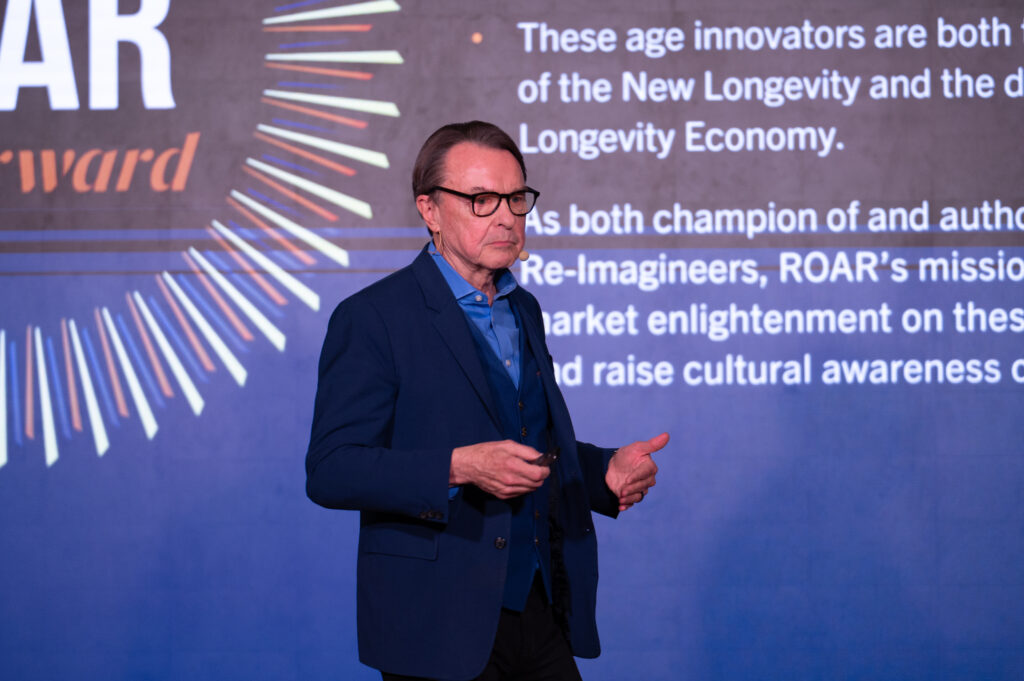
Michael Clinton: How to Live to 100 in Good Health?
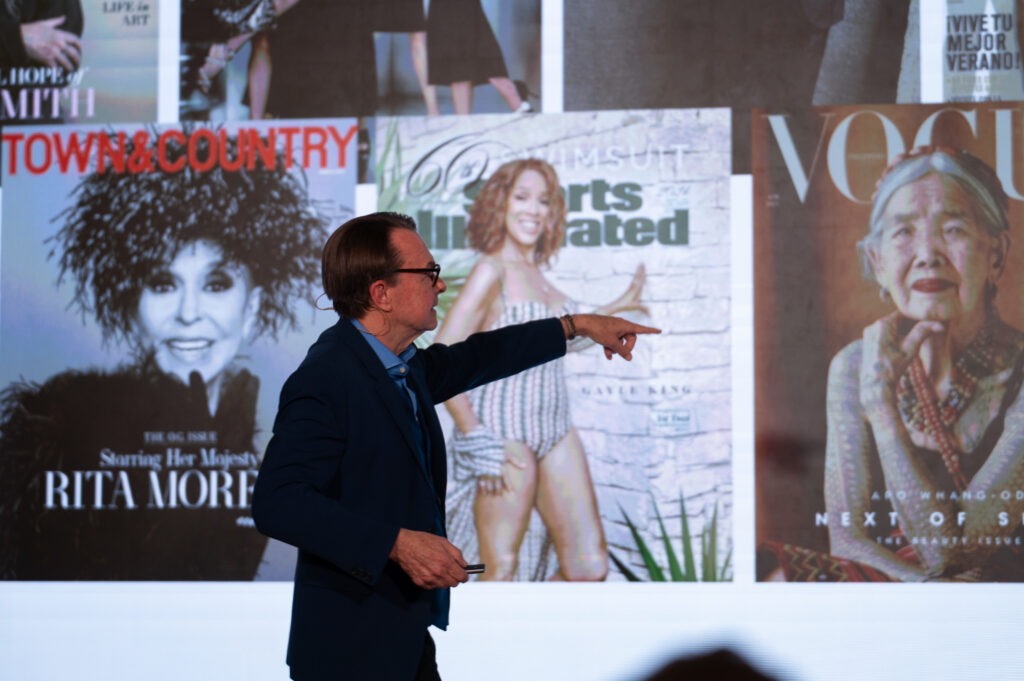
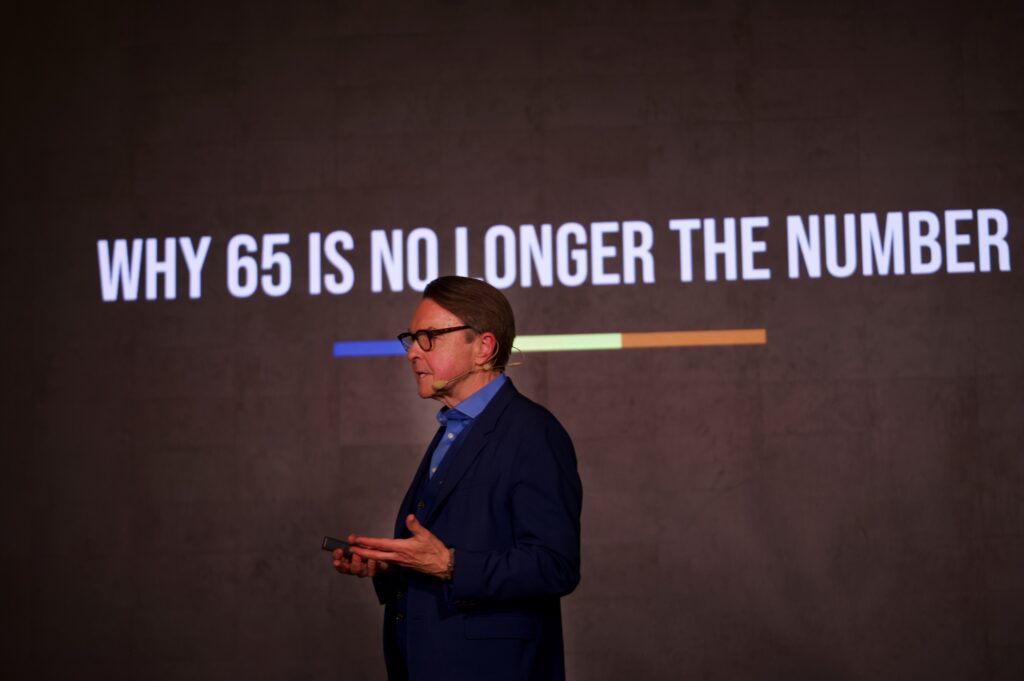
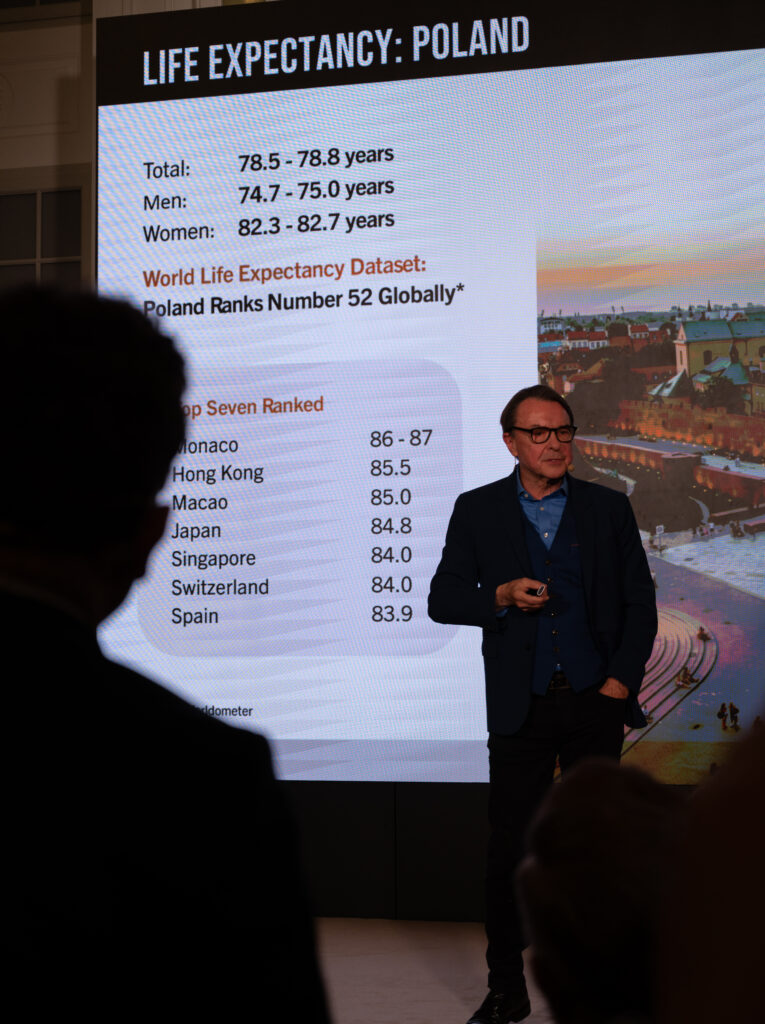
The special guest of the conference was Michael Clinton, a global longevity expert and author of the concept of “reimagining the 100-year life.” He opened his keynote with a simple yet profound question: do we want to live to be 100? The issue, he argued, is not merely about lifespan, but about quality of life. As advances in medicine, technology, prevention and living standards allow us to live longer, the key question becomes whether those additional years will be lived in good physical, cognitive and intellectual health. Longevity today means not just more years, but more years lived in vitality and with a sense of purpose.
Health as the Foundation of Productivity
The conference was opened by Deputy Minister Aleksandra Gajewska from the Ministry of Family, Labour and Social Policy, who stressed the need to integrate health and economic policy. In a world of 100-year lives, health is no longer solely a medical issue – it is a foundation of productivity, innovation and public finance stability. Investments in prevention, mental health and intellectual activity are at the same time investments in a country’s competitiveness. She also highlighted the importance of systemic support for lifelong learning. In a labour market that is evolving faster than ever, skills can no longer be treated as a closed chapter of youth. The state, in cooperation with business, universities and social organisations, should help create conditions for continuous upskilling and reskilling.
Healthspan: More Years in Good Condition
Speakers agreed that longer lives are not a passing trend or a rhetorical device in public debate. They are the result of measurable progress: advances in medicine, new therapies and drugs, increasingly effective prevention, health-monitoring technologies, data-driven diagnostics and growing awareness of healthy lifestyles. Improved treatment of cardiovascular, oncological and metabolic diseases, along with the development of personalised medicine and digital healthcare, means we are living longer than any previous generation. Increasingly, the discussion is shifting from lifespan to healthspan – the number of years lived in good health.
At the same time, longer life expectancy poses significant challenges for healthcare systems, labour markets, social support structures and education. Yet it also creates new opportunities: multi-generational teams, extended professional activity and knowledge transfer across age groups. Addressing both the opportunities and the challenges requires coordinated action across sectors – from medicine and education to business and public administration.
Importantly, speakers emphasised that the shift towards longevity is not only a task for governments and institutions; it also depends on everyday individual choices. “Each of us is a stakeholder in our own longevity,” said Michael Clinton. As noted by Maja Meissner, change ultimately begins with personal responsibility. The same applies to reading – a simple, individual daily practice that can have a profound long-term impact on quality of life.
Reading as a Longevity Strategy
As the lead partner of the conference, the Fundacja Powszechnego Czytania introduced reading as a tangible element of a longevity strategy. Research conducted at Yale University indicates that people who regularly read books live, on average, nearly two years longer than non-readers. Reading engages complex cognitive processes, strengthens mental fitness and supports healthy ageing.
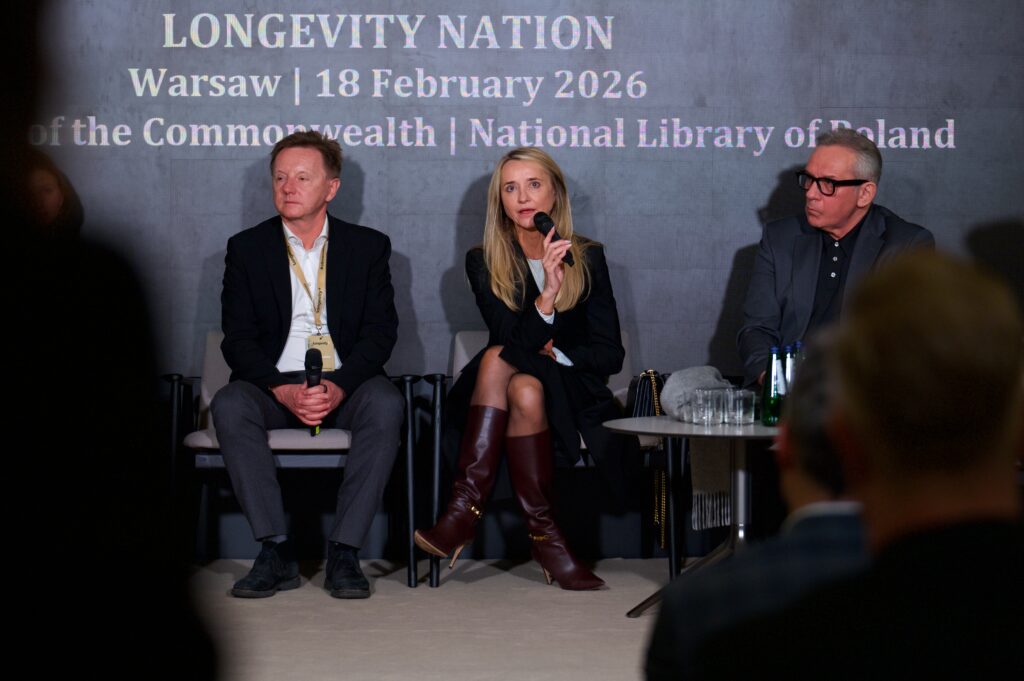
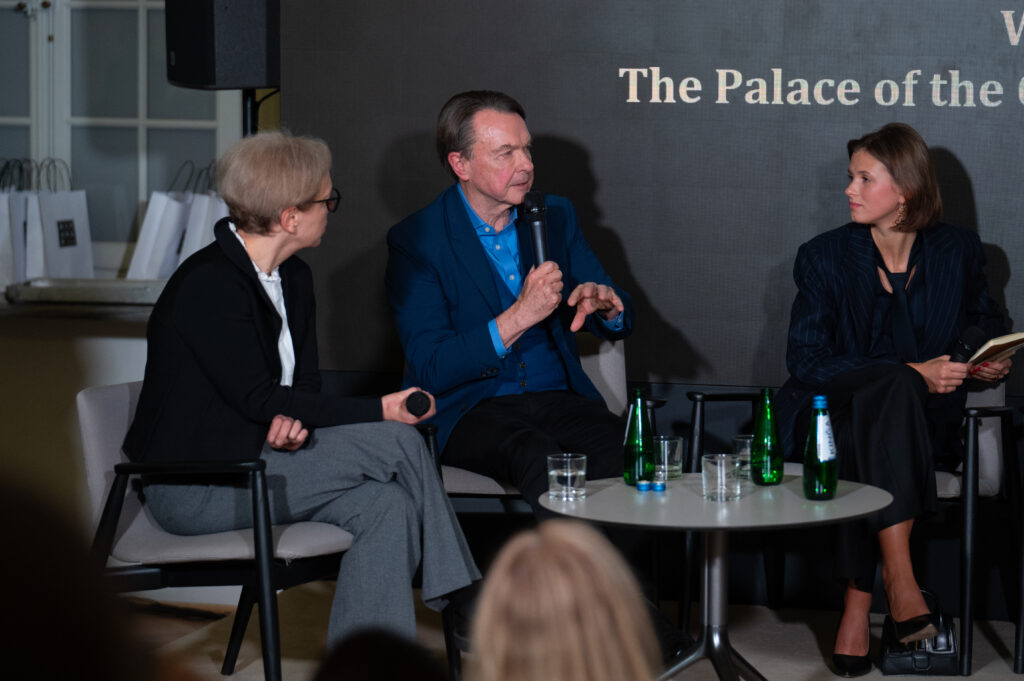
Professor Jakub Swadźba pointed out that prevention is central to investing in longevity: regular medical check-ups, a healthy diet, emotional wellbeing and quality sleep. In the context of longer lives, maintaining overall fitness – including the ability to read with understanding and think critically – should be seen as an equally important investment in long-term health. Joanna Makowiecka-Gatza added that while doctors recommend physical exercise and prescribe vitamin supplementation, mental training should also form part of health recommendations.
“Reading is to the brain what sport is to the body,” concluded Maria Deskur, President of the Universal Reading Foundation, underlining the role of daily intellectual activity in building healthy longevity.
Education as a Predictor of Health and Longevity
The conference also highlighted education as one of the strongest predictors of health outcomes. Studies by the Institute for Health Metrics and Evaluation show that each additional year of schooling reduces the risk of mortality by around 2% on average. Completing primary education can reduce the risk of death by up to 13%, and completing secondary education by up to 25%, compared to having no formal education. The effect increases with each additional level of learning.
These findings underline that longer periods of both formal and informal education are strongly associated with better health and longer life – and reading plays a central role in extending and enriching these processes.
In this context, reading takes on strategic importance. It is the foundation of formal education and the simplest tool for lifelong learning. It strengthens skills essential to a knowledge-based economy: critical thinking, analytical ability, empathy, communication and innovation. In a world of 100-year lives, intellectual activity is not an optional extra, but part of the infrastructure of public health and economic development.
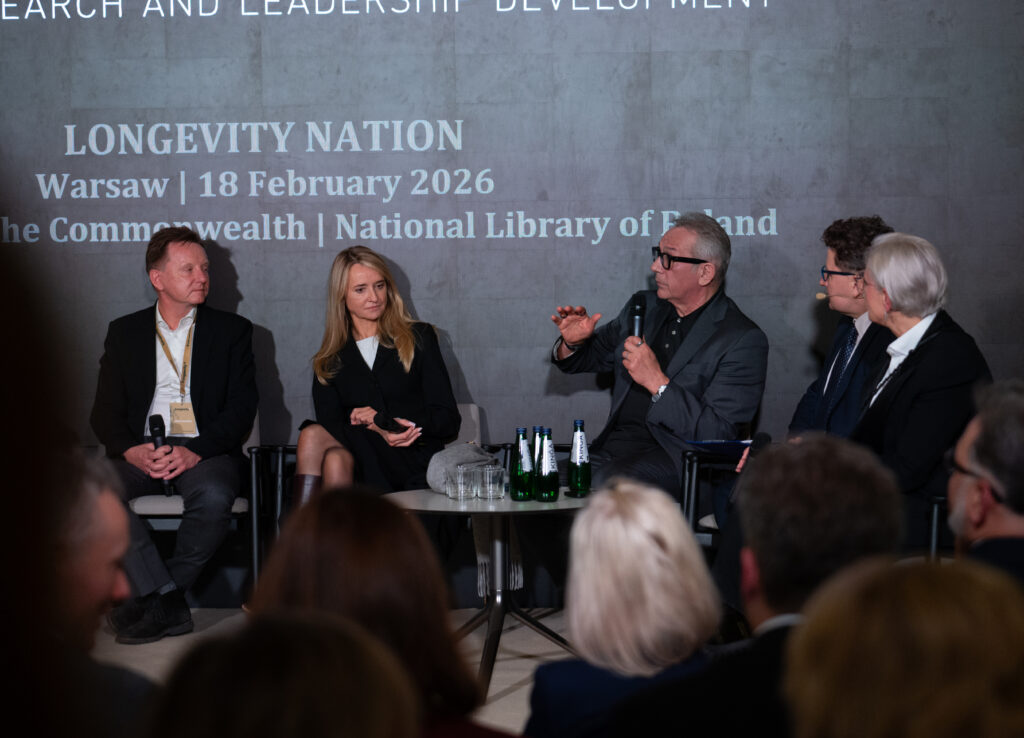
Multi-Generational Cooperation in the Labour Market
Longevity also implies longer working lives and the need for continuous skills development. Companies will increasingly manage teams spanning four or even five generations. Supporting employees in reskilling and upskilling, and fostering a culture of learning and intellectual engagement, will become a condition for competitiveness. Reading – by developing analytical, communicative and creative competencies – is one of the foundations of such a culture.
A Book on Prescription – An Investment in the Future
Building the habit of reading should begin early in life. Regular contact with books from birth supports linguistic, cognitive and emotional development, and in adulthood fosters lifelong learning. It is an investment in intellectual fitness that pays dividends across decades. In the era of the 100-year life, reading can and should be treated as a long-term strategy for sustaining quality of life. The Universal Reading Foundation works with the medical community through its “Book on Prescription” programme, engaging family doctors, paediatricians, specialists, nurses and midwives in recommending reading aloud to young children during medical visits.
The vision of a 100-year life is becoming a realistic prospect for future generations. While not everyone may immediately declare a desire to reach that age, almost all of us would choose a long life in good physical and mental health. “Research increasingly confirms that regular reading – as a form of cognitive exercise – has a tangible impact on mental fitness,” said Maria Deskur, President of the Universal Reading Foundation.
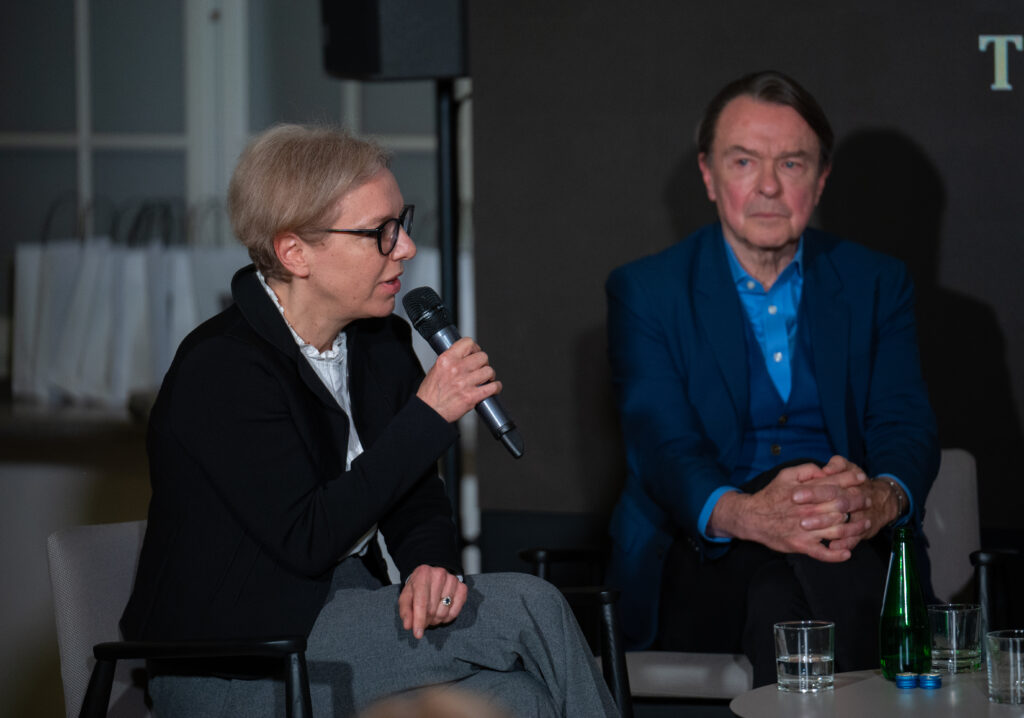
The Longevity Era – A Shared Responsibility
The conference demonstrated that longevity is a multidimensional project – medical, social, educational and economic. If we aim to live to 100 in good condition, we must adopt a broad understanding of health: one that includes prevention, physical activity and continuous intellectual development.
Reading, as a daily practice that extends learning and strengthens cognitive capacity, is one of the simplest yet most far-reaching tools supporting healthy longevity and societal competitiveness. The longevity era calls for a coordinated, cross-sector response. Among its most accessible elements is sustained intellectual activity – including reading – which connects health, education, economic resilience and social development into a coherent, long-term strategy.
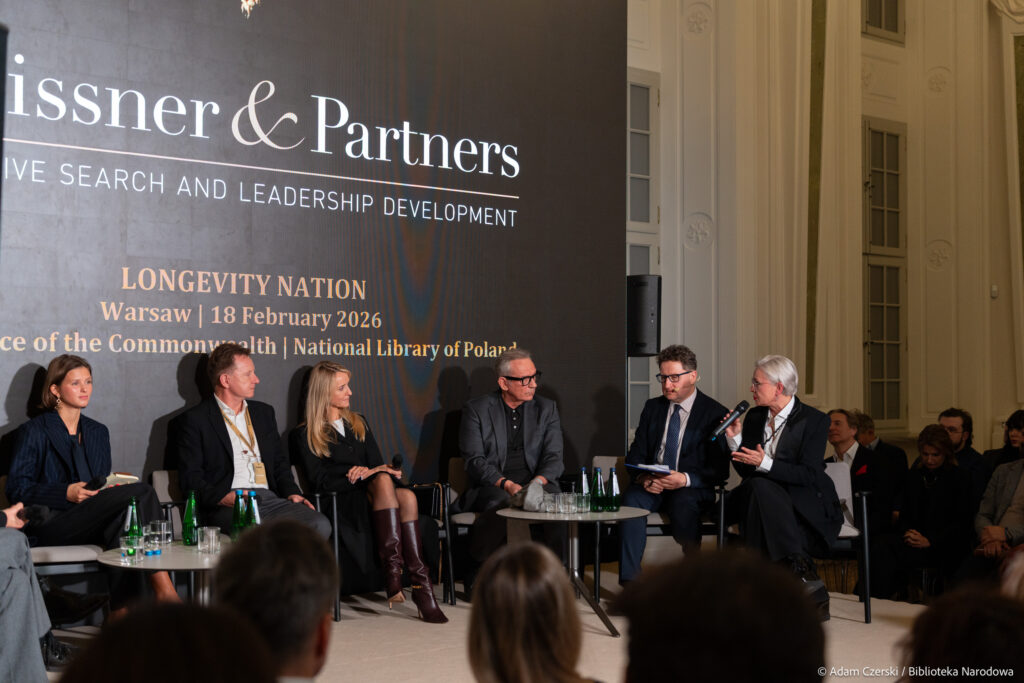
The event was organised by Meissner & Partners Executive Search and Leadership Development, an advisory firm with offices in Warsaw and Washington, specialising in executive search and strategic advisory for boards and business owners.
The lead partner was the Universal Reading Foundation, which points to a clear correlation between reading and longevity – research conducted by Yale University shows that people who regularly read books live longer. In a world of 100-year lives, intellectual development is becoming a component of a tangible longevity strategy.
Partners: Longevity+, Pekao, LOT, GQ, Rémy Cointreau, Elixir, Off School Foundation, Genboost, Agencja Verde, Biedronka, iTaxi, Love Brands, Hotel Warszawa.