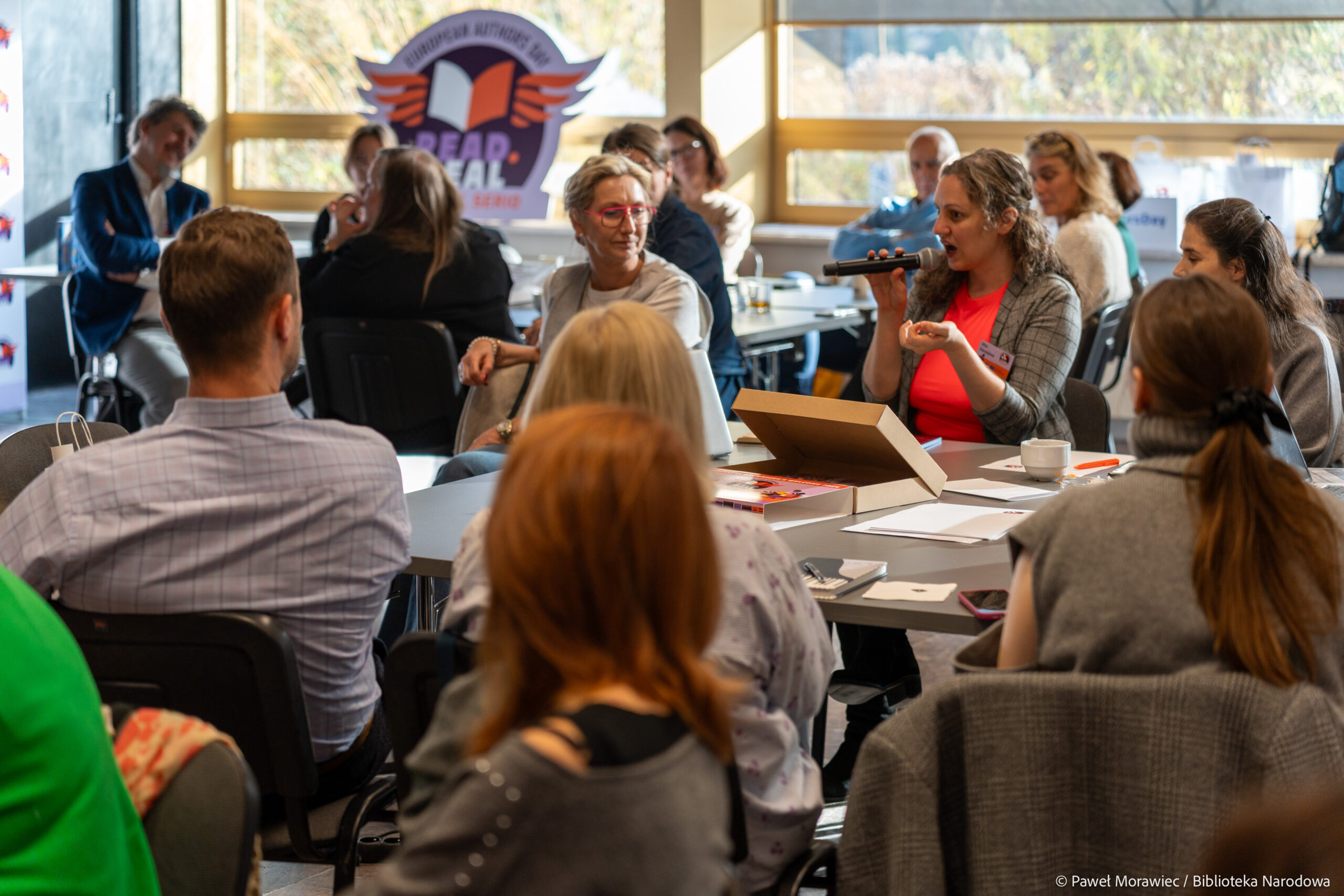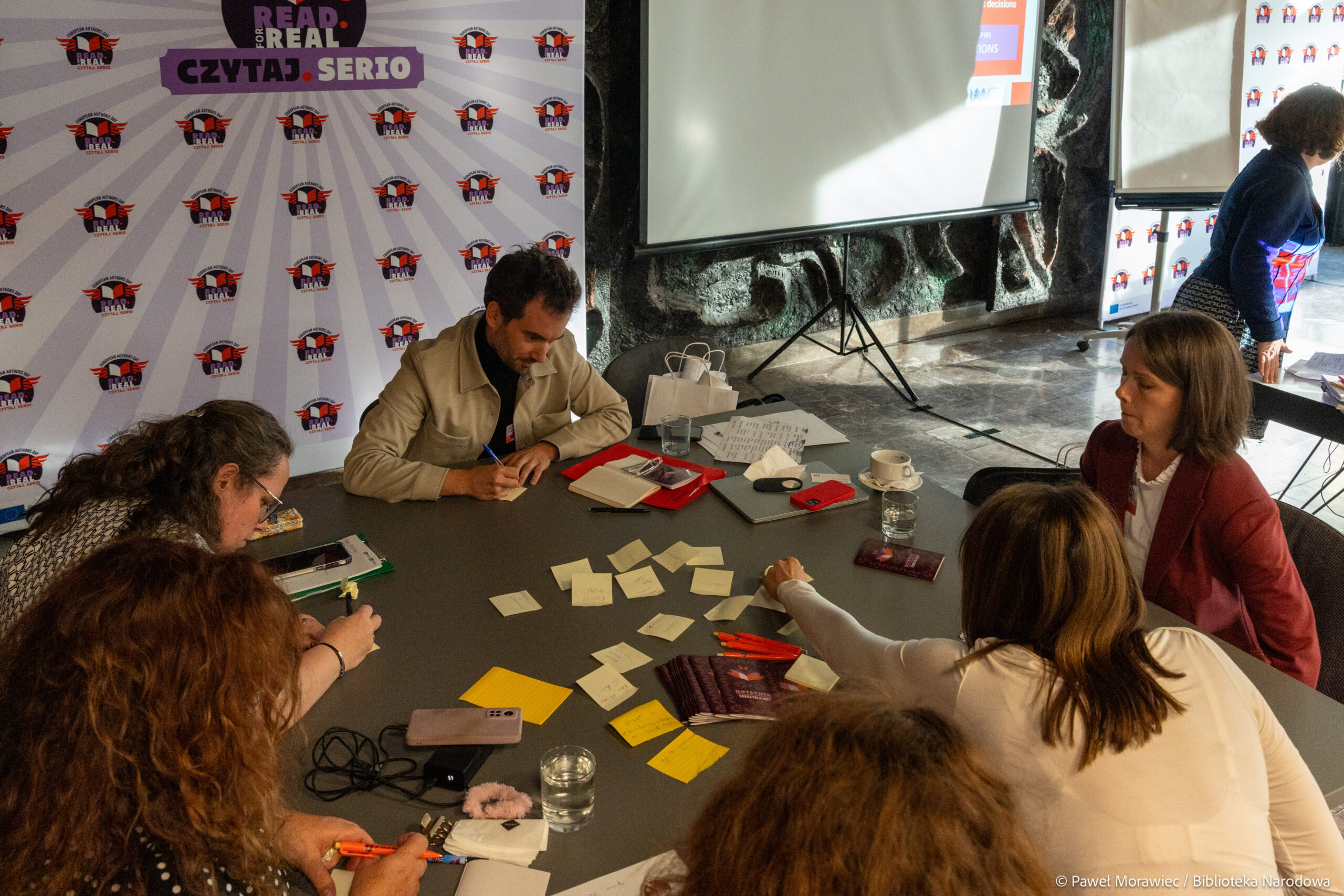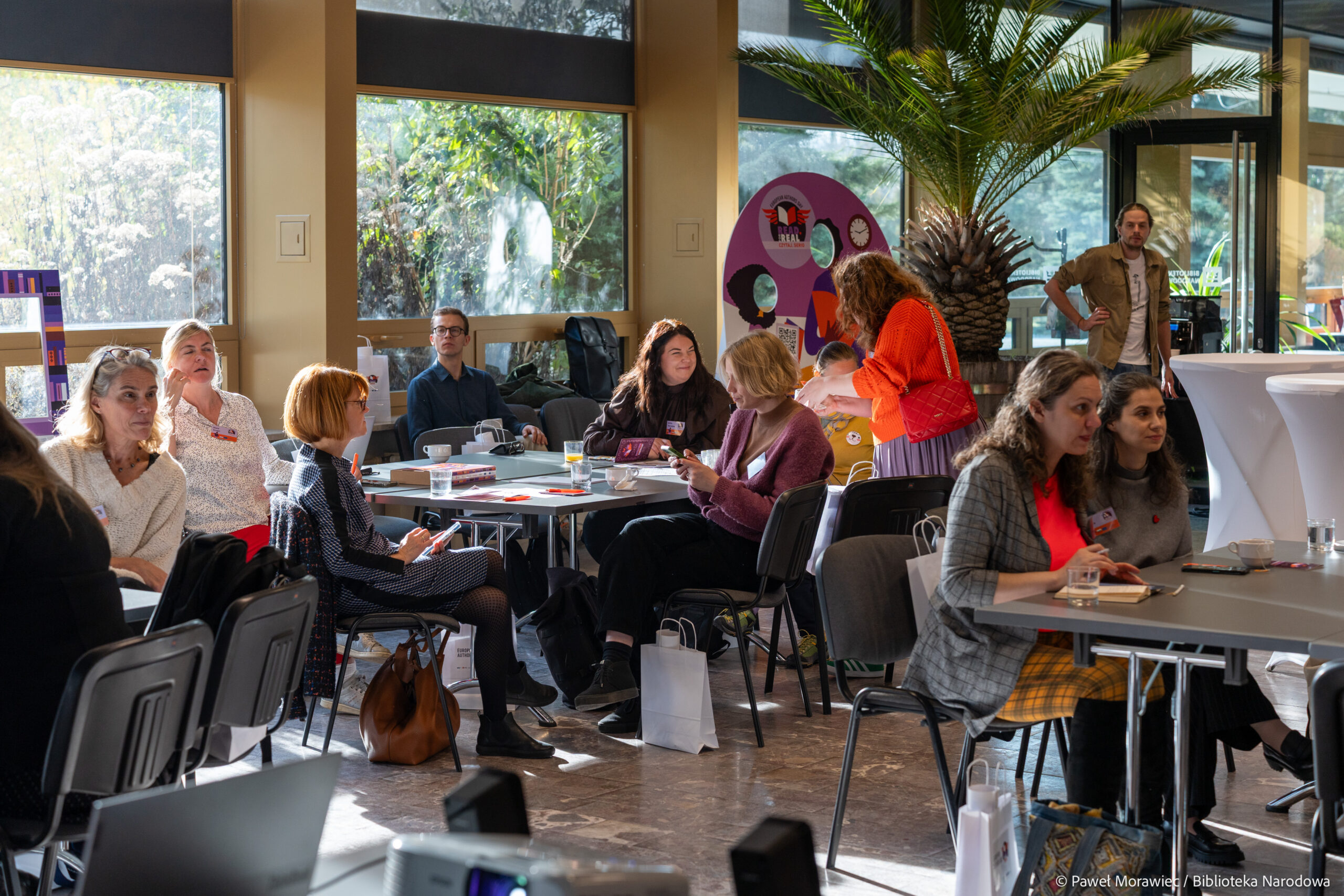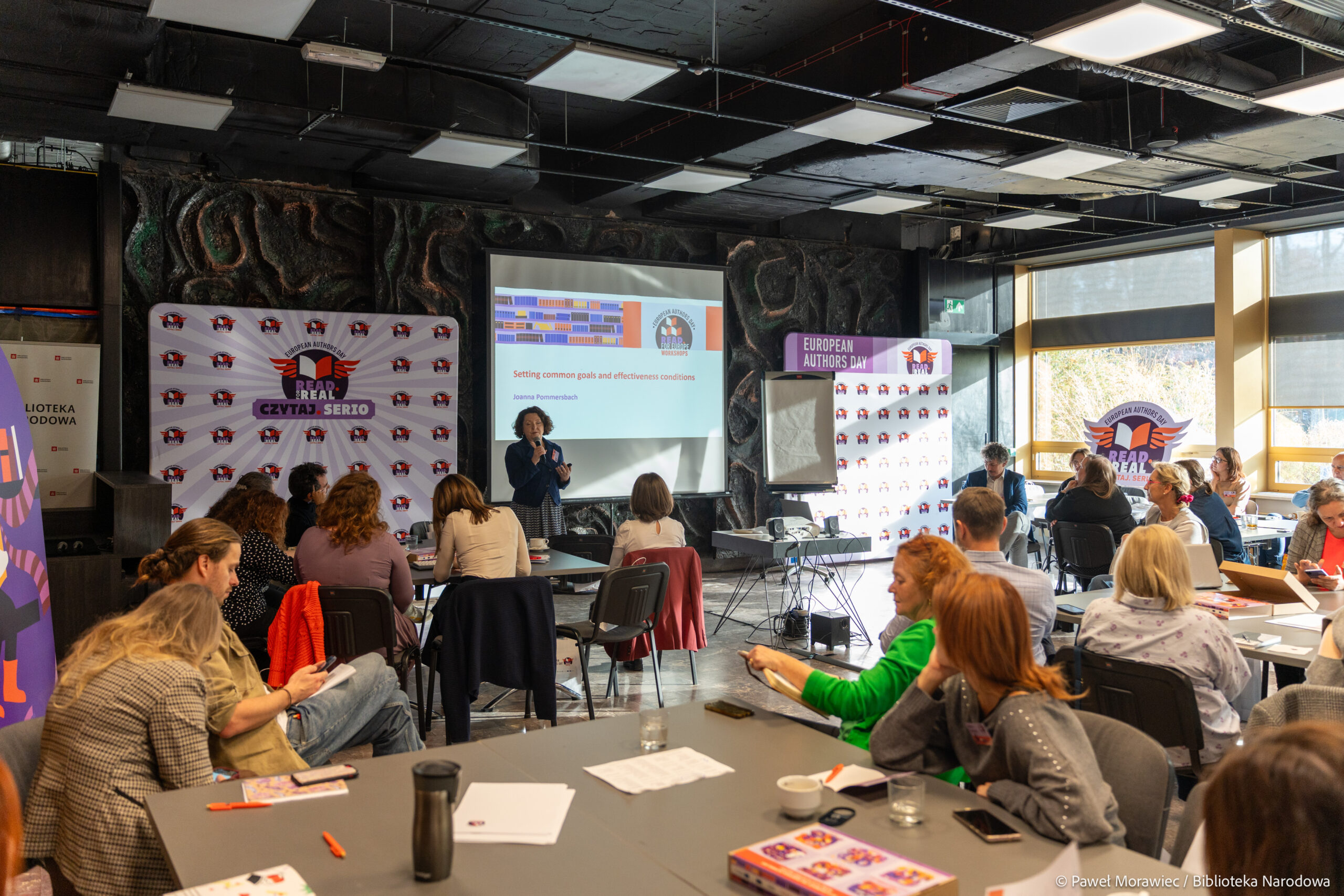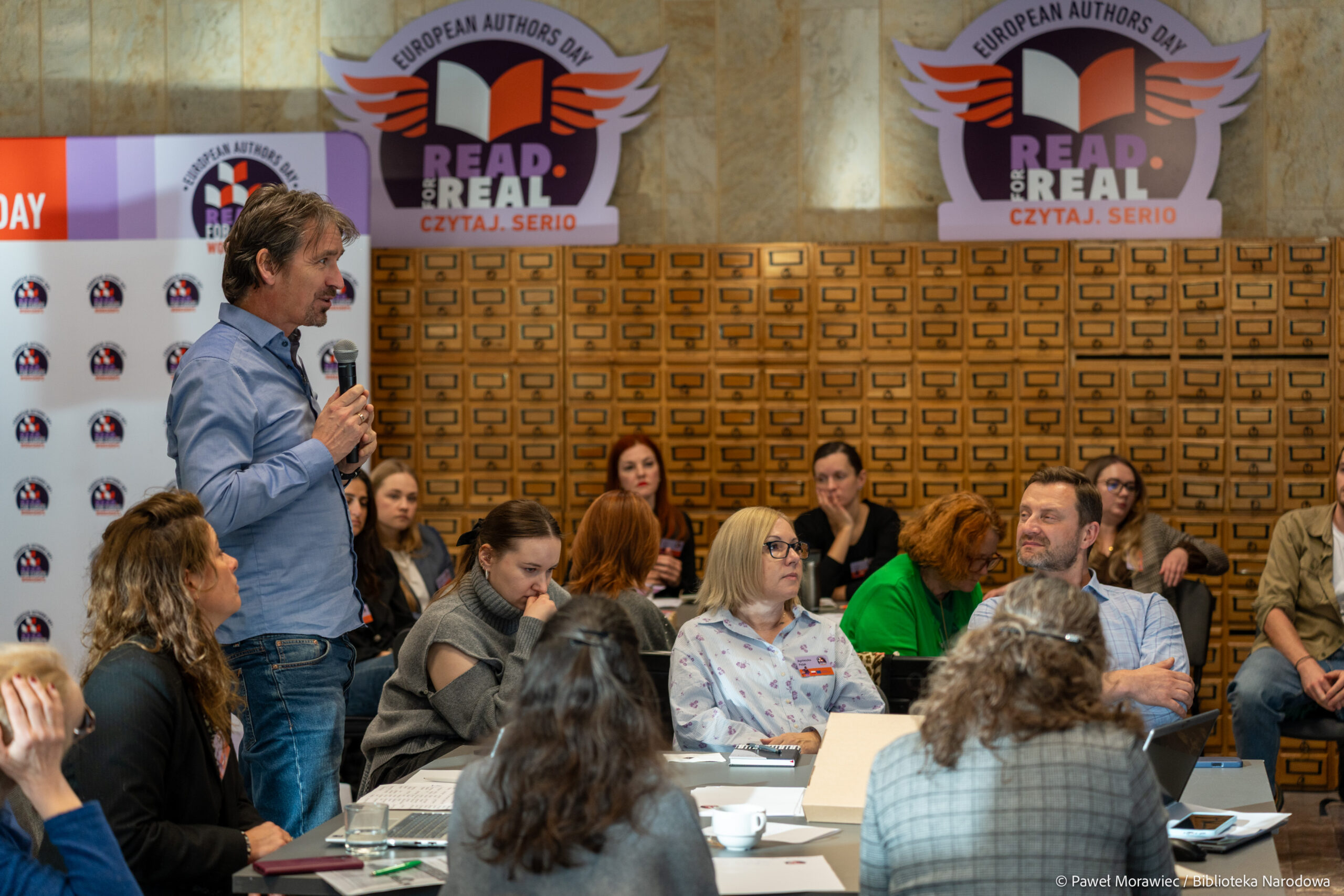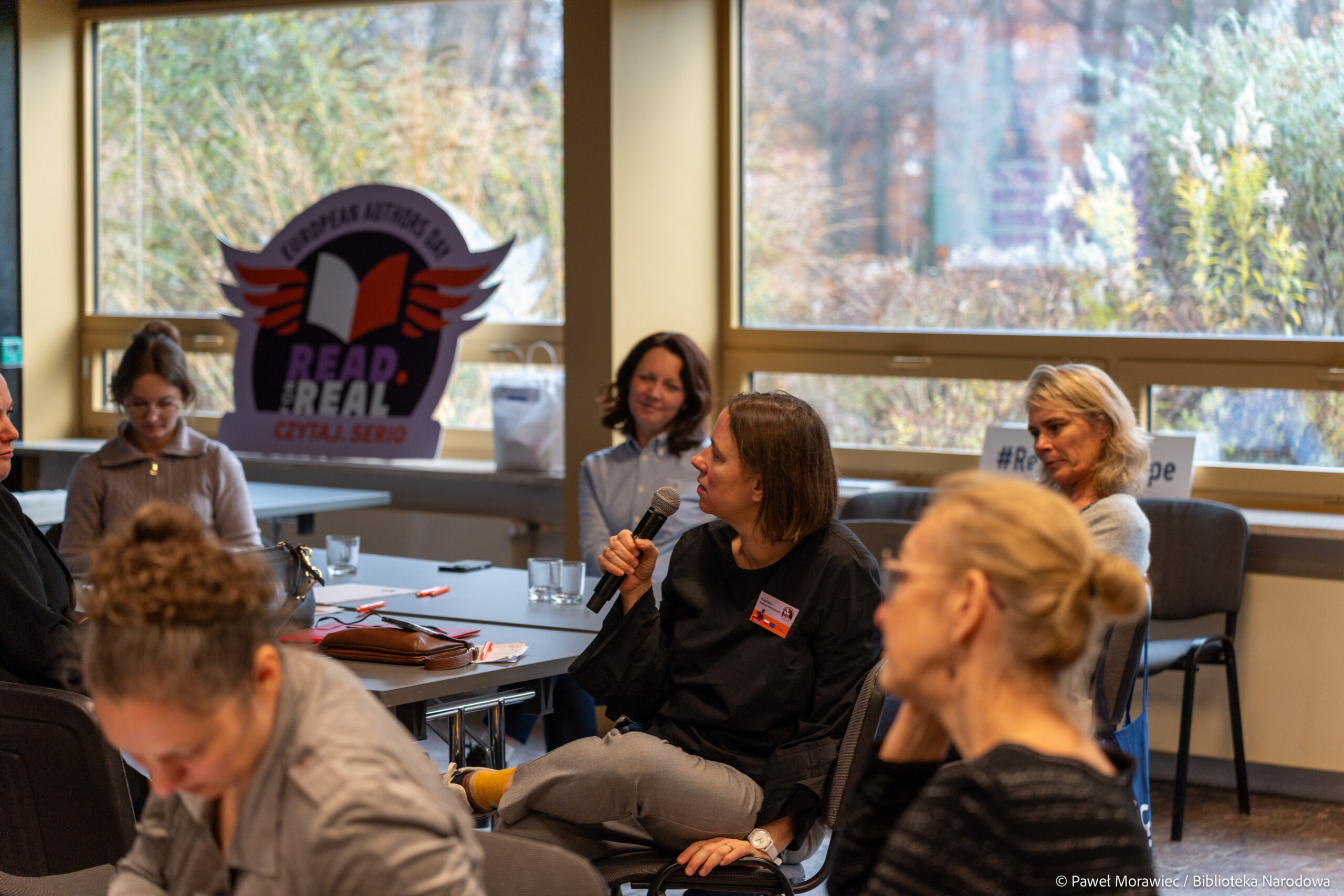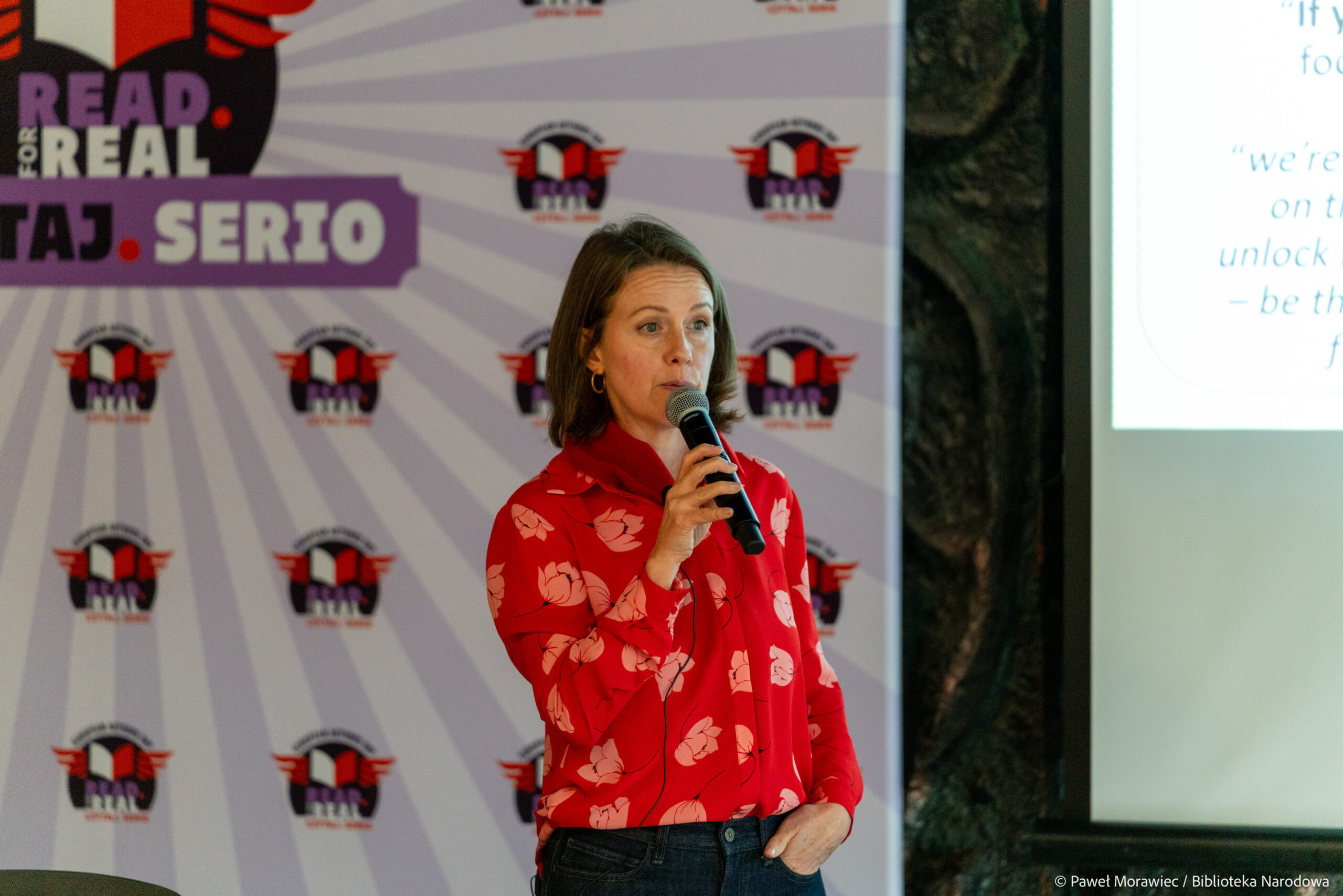

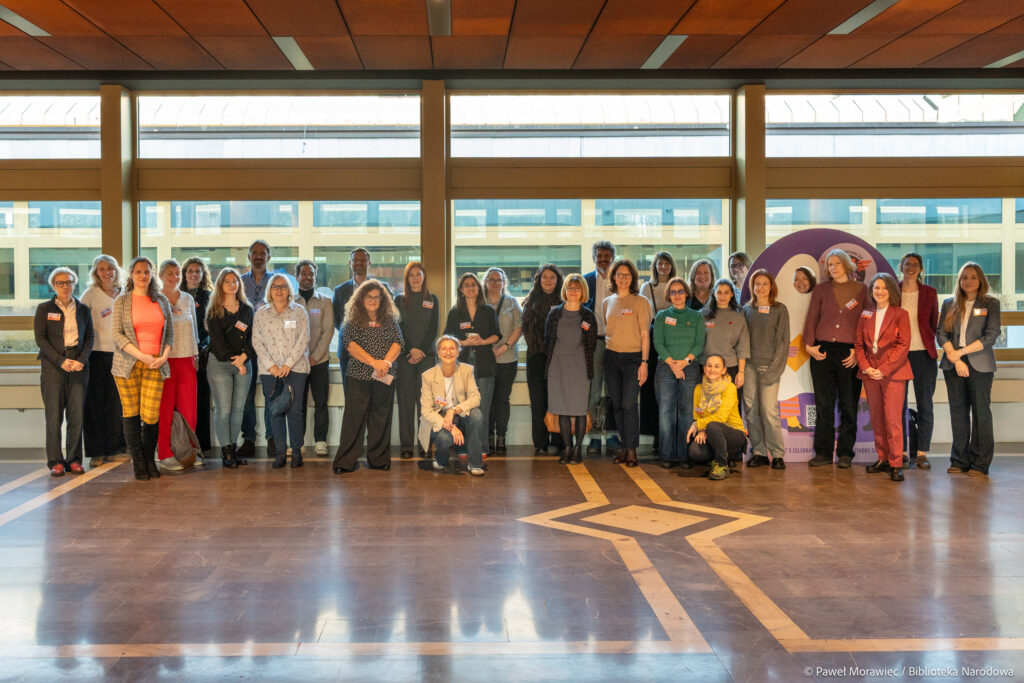
The workshop participants, during discussions and collaborative work, reached a consensus on their envisioned role of reading in society: We imagine Europe where reading is a natural part of every person’s life. Reading, as a part of life became a common vision.
The #ReadForEurope workshop, organized by the Universal Reading Foundation within the European Authors Day Consortium, convened representatives from 15 European countries, bringing together leaders (experts, educators, and publishers) from the public, private and third sector.
This multi-sector and cross-border participation underscored the recognition that literacy is not a siloed issue: transforming reading habits across Europe requires collective responsibility, shared resources, and coordinated action. The core goal is to build a universal understanding of the critical role of creativity and literacy for the future of our civilization and inspire collective action across Europe.
The workshop focused on how to operate a systemic change in three steps: from persuasive argumentation for our brains, through moving narratives for our emotions to insipiring call to actions for our hands to start acting. Behavioural science models and real-world campaign examples were discussed as inspiration. The two-day event became a powerful platform for exchange of knowledge, comparison of national experiences, and co-creation of a shared strategic direction. Participants emphasized that Europe can only reverse declining reading enjoyment and strengthen democratic, economic and social resilience through deep cooperation across sectors, disciplines and countries.
Reading: A Cornerstone of Individual and Societal Development
Discussions reaffirmed that reading is not merely a cultural activity but a fundamental driver of sustainable development development of citizens, society, and the democratic order.
Evidence presented during the workshop demonstrated that reading supports multiple facets of life: • Education & Science: because it develops thinking and language skills, ensures school readiness, fosters educational success, and promotes critical thinking and innovation • Health: because it contributes to emotional regulation, reduces aggression, improves mental well-being, and lowers the risk of loneliness and addiction. • Economy & Democracy: Because it is key to forming competent employees and citizens. It supports entrepreneurship, business, and fuels democracy and participation. Conversely, non-reading hinders a child’s full potential and supports oligarchy and dictatorships. • Equality & Inclusion: Reading is a tool of education that equalizes opportunities and builds human brains, regardless of background.
It has been highlighted that reading shapes 8 out of 10 future skills and contributes directly to 8 of the 17 global development needs, including health, innovation, economic development, gender equality, social inclusion, and democracy.
Moreover, the workshop stressed that reading must be recognized as a human right, while non-reading contributes to social exclusion, lower employability, reduced civic participation, and reinforces inequalities.
Shifting Mindsets: From Duty to Pleasure
The core challenge is the decreasing reading levels across Europe. Only about one in three children (32.7%) enjoy reading in their free time, often seeing it as something they have to do, not want to do (UK).
The proposed solution involves a behavioural change approach that focuses on appeal, not duty. Capability, opportunity and motivation are key elements for achieving intrinsic motivation: reading because we want to. możliwości, kompetencje oraz motywacja, które wspólnie budują motywację wewnętrzną – czytanie dla siebie, nie „bo trzeba”.
Systemic Change: Read. For yourselves, For Real
The workshop identified key directions for promoting creativity and literacy across Europe. Systemic Narrative Change: The main goal is to replace the deeply rooted but not based on data thinking models (e.g., "reading is for culture," "reading is a privilege") with new ones, evidence-based: "Reading is for economy, innovation, wellbeing, social capital, democracy" and "Reading is a human right". Collective Action & Multi-Sector Partnership: The European Authors Day #ReadForEurope workshop participants underlined they will aim for a collective action involving all sectors from many silos to achieve a true, measurable impact beyond money spent or ad reach. The necessity of breaking silos between – education, health, cultural institutions, business & innovation sectors, regional development stakeholders was one of the strongest messages. Participants agreed that literacy cannot be the responsibility of schools alone. Effective and lasting change requires the involvement of governments, media, libraries, employers, NGOs, authors, publishers, and local communities. Reading is a shared societal mission. Focus on Intrinsic Motivation: All initiatives must focus on making reading a source of pleasure and choice (Autonomy, Competence, Relatedness) rather than a school task, to inspire long-term engagement.
Learning from European Best Practices:
The workshop featured in-depth case studies from the UK, offering powerful examples of how large-scale behavioural change is achievable. Discussions highlighted: engaging schools nationwide, supporting early and lifelong reading routines, national cross-sector campaigns focusing on appeal rather than duty.
Participants explored how similar frameworks could be adapted and scaled within the European Authors Day initiative, recognising the importance of capability, opportunity, and motivation as pillars of successful reading promotion.
Together in the same direction
The #ReadForEurope Workshops laid a strong foundation for implementing practical, evidence-based solutions across European countries. Participants agreed to bring the shared vision and behavioural approaches into their national strategies and to actively embed these principles in the upcoming European Authors Day celebrations under the slogan Read. For Real. – turning insights into coordinated action across Europe. „Read. For Real.” – przekuwając wnioski w skoordynowane działania w całej Europie.